A Brief History of Low Poly (+ Free Bonus!)
The story of low-poly modeling actually (obviously) begins with hardware constraints.
Some of the first 3D technology was actually developed in the 1960s, and the first shaded 3D render was created by Gordon Romney in 1966.
Future work on computers integrated more features used to render 3D, making it more possible to render 3D graphics in realtime and improve 3D technology.
Game hardware would take inspiration from these developments in computer hardware, and eventually also integrate dedicated support for 3D graphics
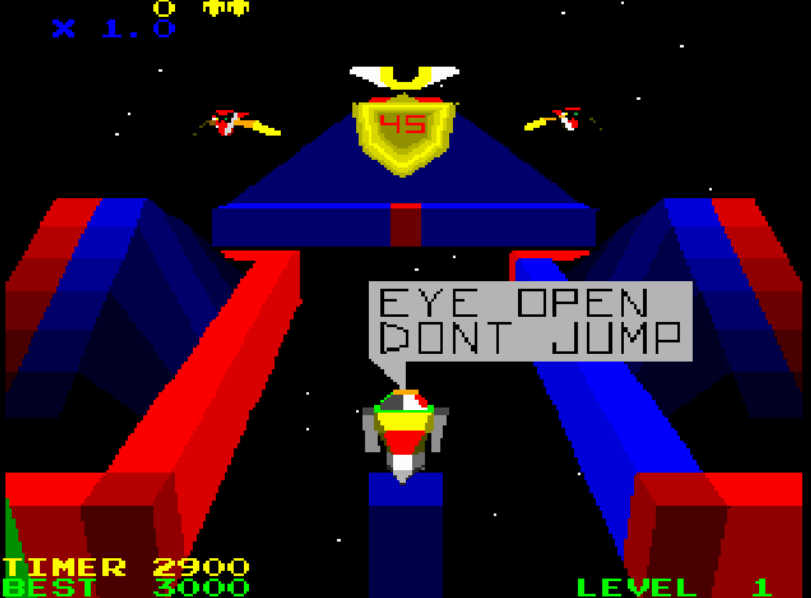
One of the first 3D games featuring shading and 3D models was actually made in the 1980s, called I, Robot (1984) by Atari. Most of the games that before it were technically 3D, but used 2D and vector elements to create the illusion of or non-shaded 3D. I, Robot was made for arcade machines, and signaled a bigger shift towards 3D graphics in the games industry with the improvements in technology.
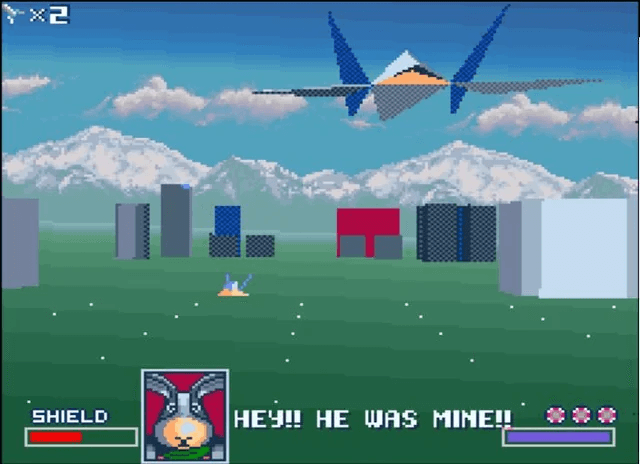
When developing the SNES’ hardware, Nintendo actually worked on a special “Super FX” chip that would be able to enable 3D games to be more easily developed for the system. One of the games that took advantage of this chip was Star Fox. Star Fox’s graphics are fairly simplistic, being composed of fairly simple shapes to account for the power of the system.
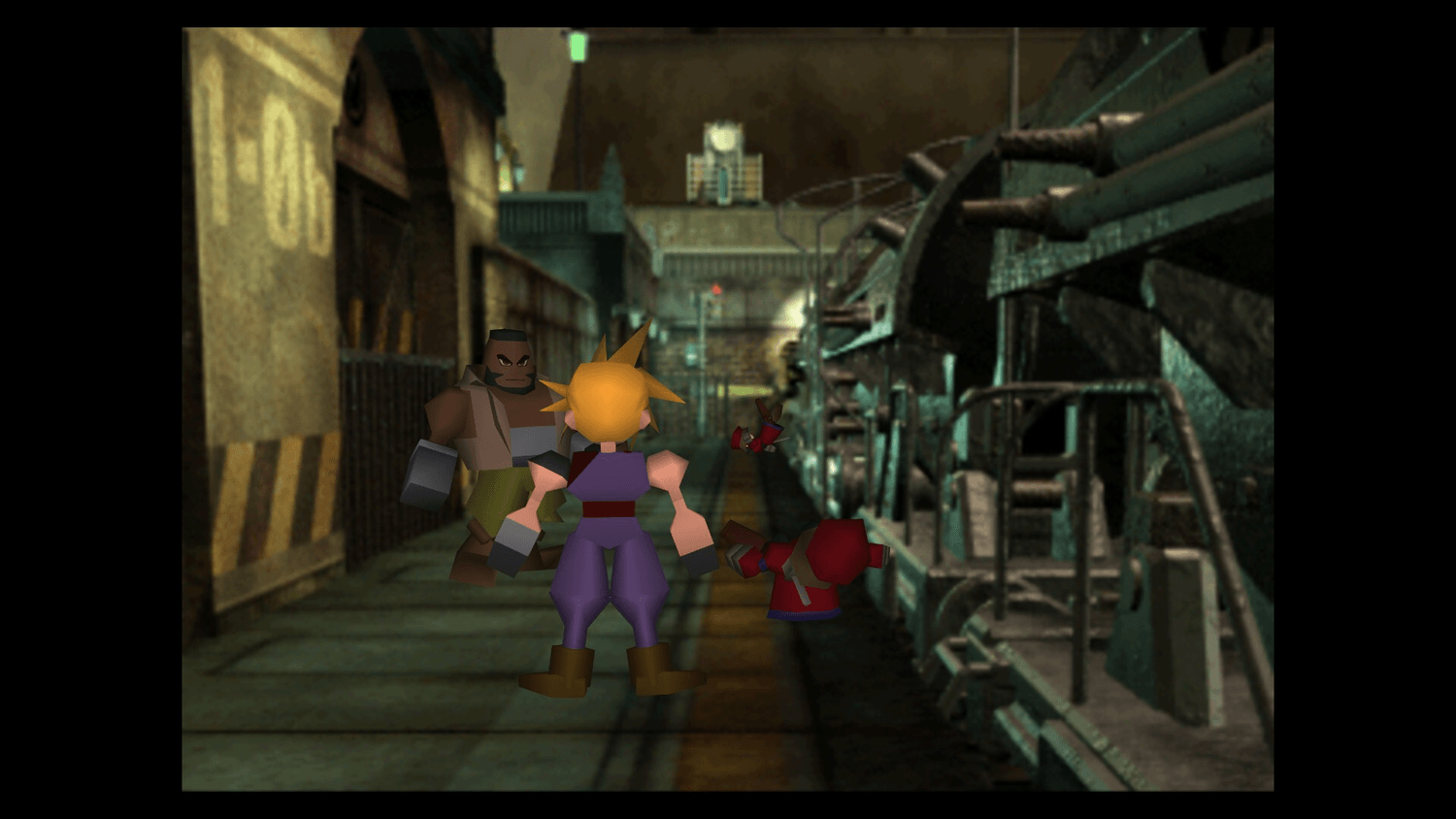
That next year, Sony released the Playstation 1, which was designed with 3D in mind. Games such as Crash Bandicoot, Megaman Legends, and FINAL FANTASY 7 would go on to form the foundation of low-poly modeling by crafting unique, stylized visuals.
During this time, models were incredibly simplistic, even sometimes using pre-rendered backgrounds in order to save on rendering complexity so more focus could be placed on the characters.
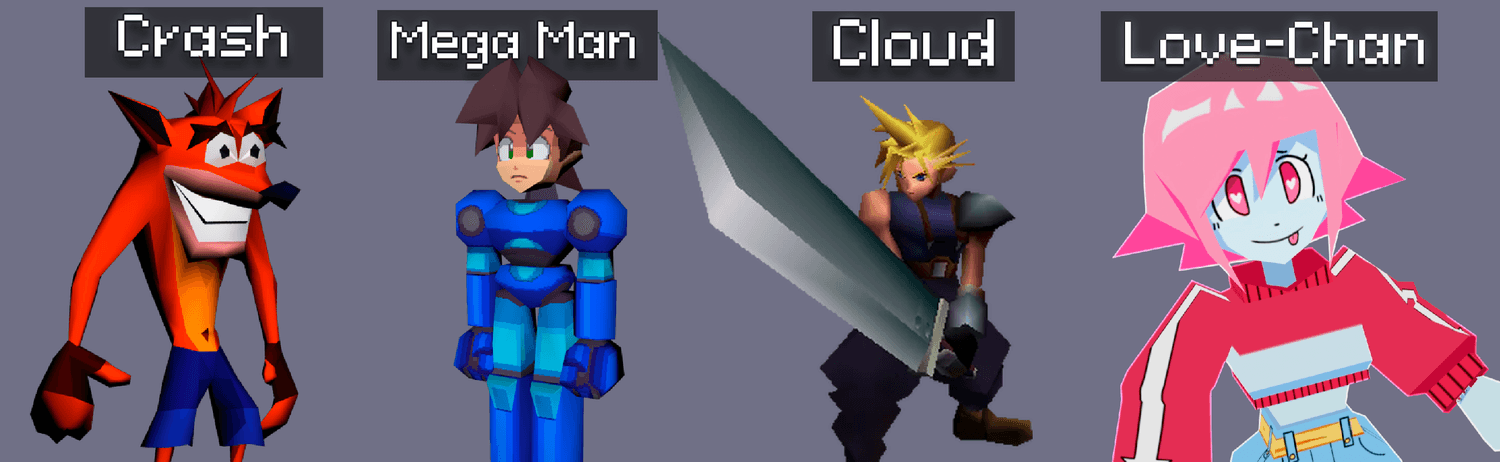
What started as a hardware limitation eventually became one of the most approachable ways to get into 3D. That’s exactly why this period’s art style was my biggest inspiration when creating Love-chan - the character you build in the Low Poly Character course. And the results speak for themselves, the course page is filled with amazing OCs my students were able to create completely from scratch.
A few years later, Nintendo would release the Nintendo 64, which was fully focused on 3D games. Games such as Majora’s Mask, Super Mario 64, Banjo-Kazooie, and many others would also influence the low-poly look, since models for games during this period had to be simple and small to support large, fully 3D environments (though, some games still leveraged pre-rendered backgrounds).
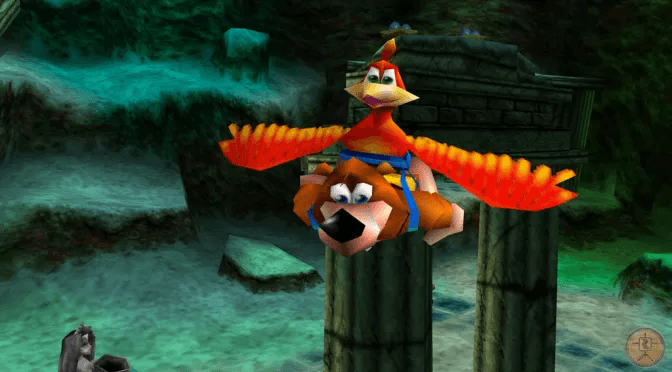
There were several tricks, such as overlaying multiple textures and rendering environments pieces at a time, that the artists used to get more out of the technical restrictions the consoles imposed. The Gamecube and future console releases would slowly enable developers to use higher-poly models and higher-resolution textures over time, fading this style out of popularity as the graphics race continued.
Decades later, the low-poly aesthetic isn’t strictly a product of hardware limitations–though it can definitely help lower-end hardware. It partially banks on nostalgia from that era, but it also leverages older techniques as a part of its artistic identity, and also has many practical applications. Low-poly modeling is incredibly accessible, but also has its own challenges that make it unique from other styles of modeling.
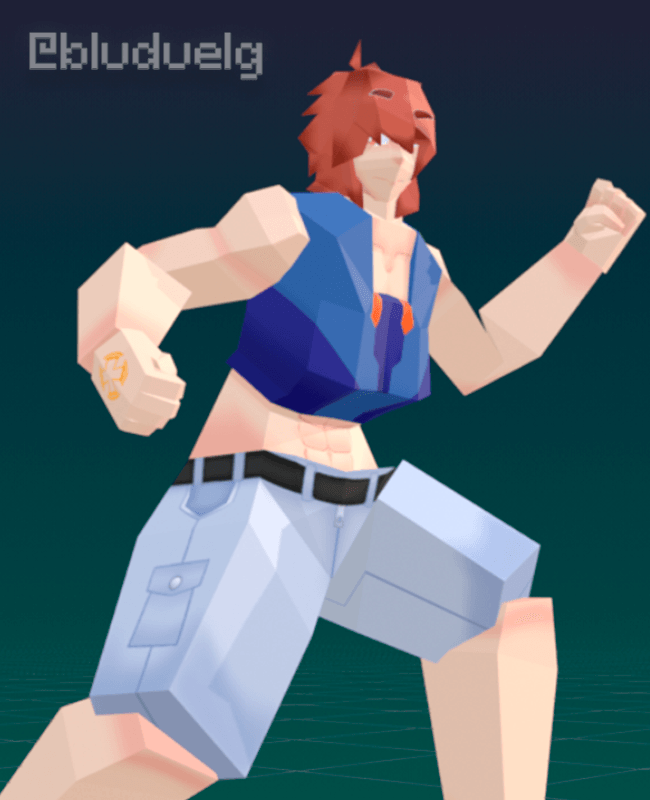
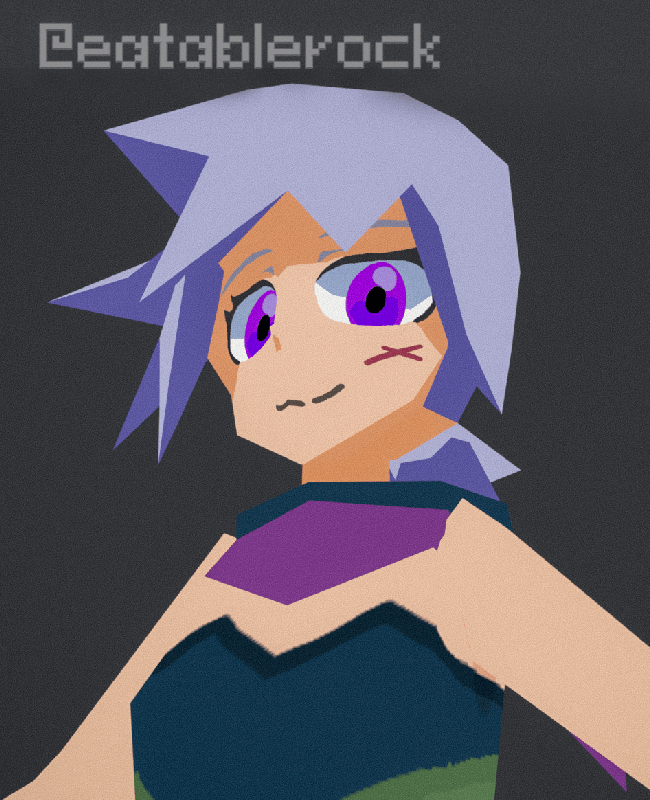
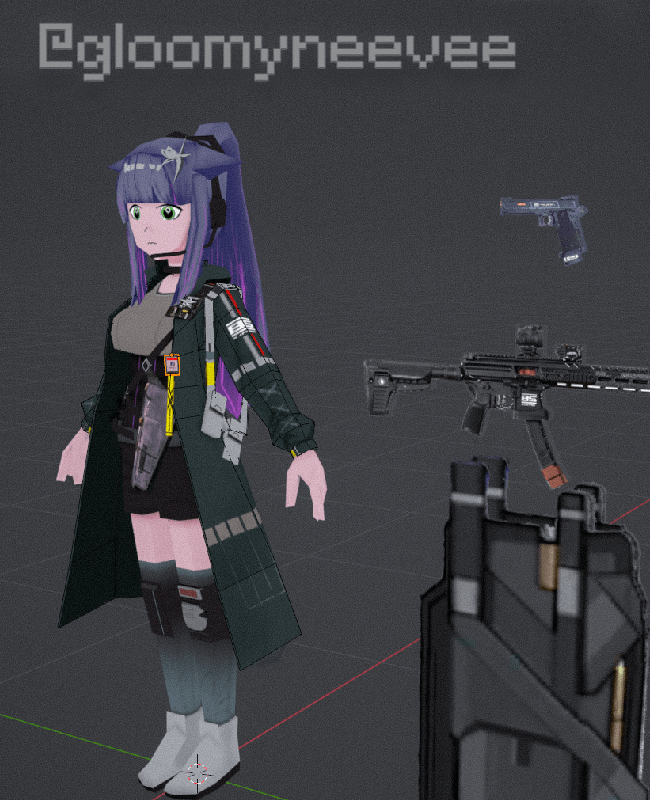
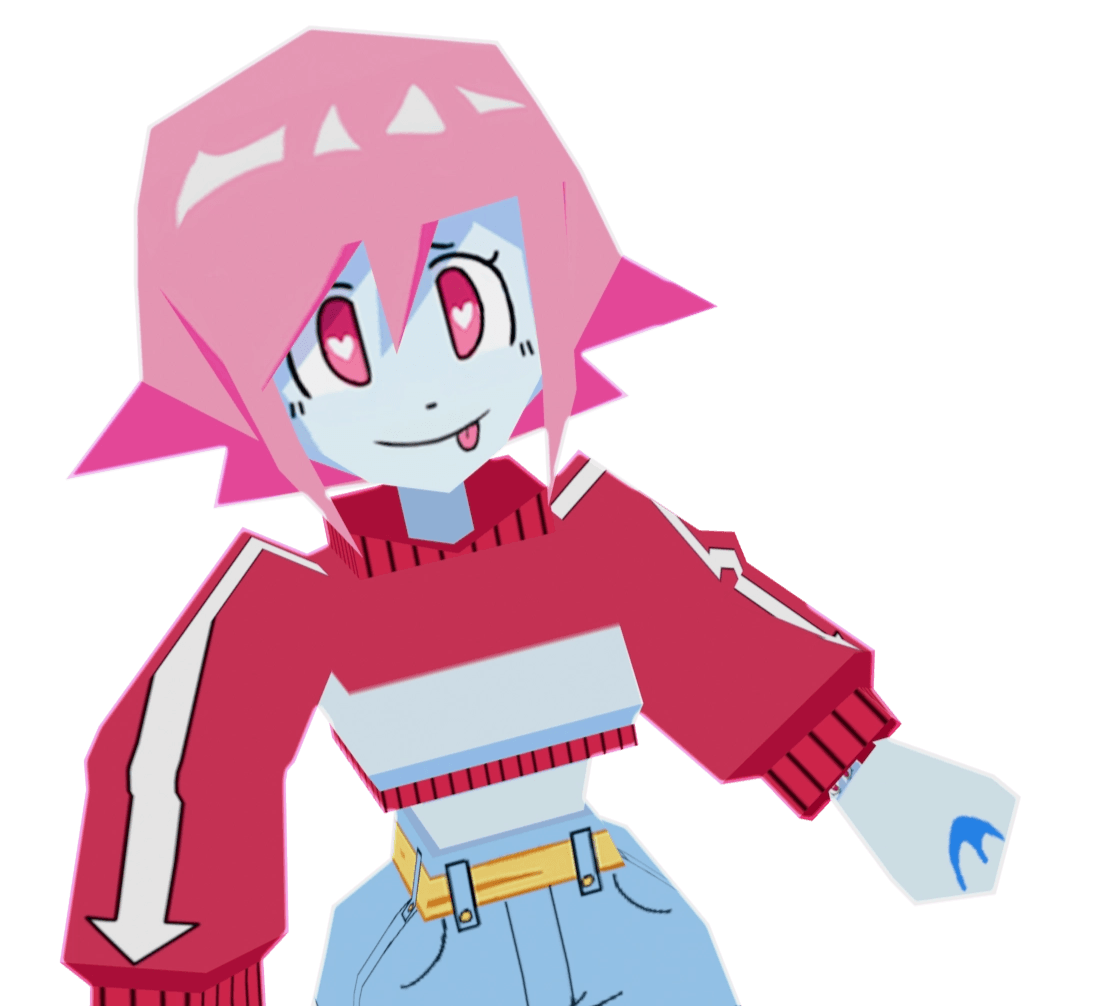
Much like in the games that defined the style, the placement of each part of a low-poly model matters; suggesting shape using textures is often more important than actually defining the shape in the model itself, since complex shapes can add more polygons to the model. In turn, this also causes more intentionality in the modeling process; deciding what to model and what to leave out becomes a deliberate creative choice, with tradeoffs behind every decision.
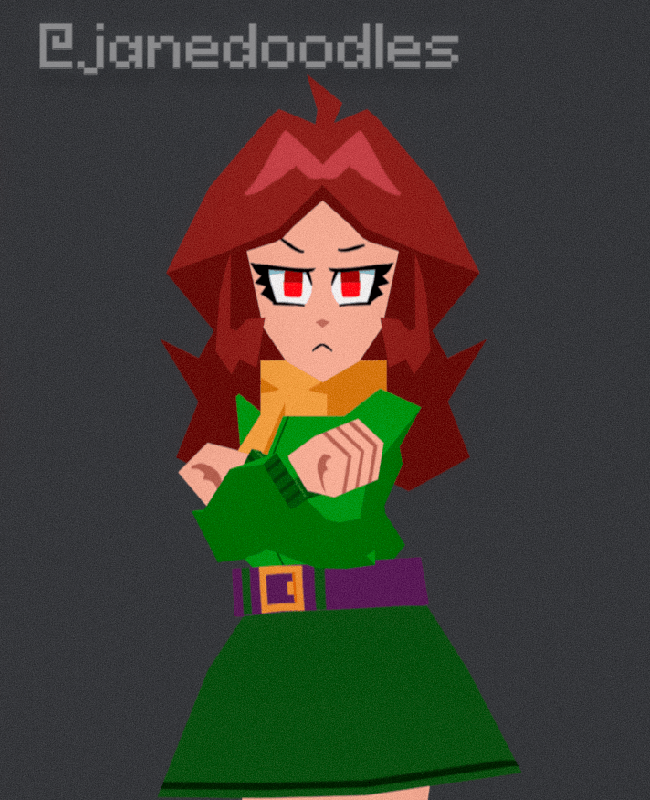
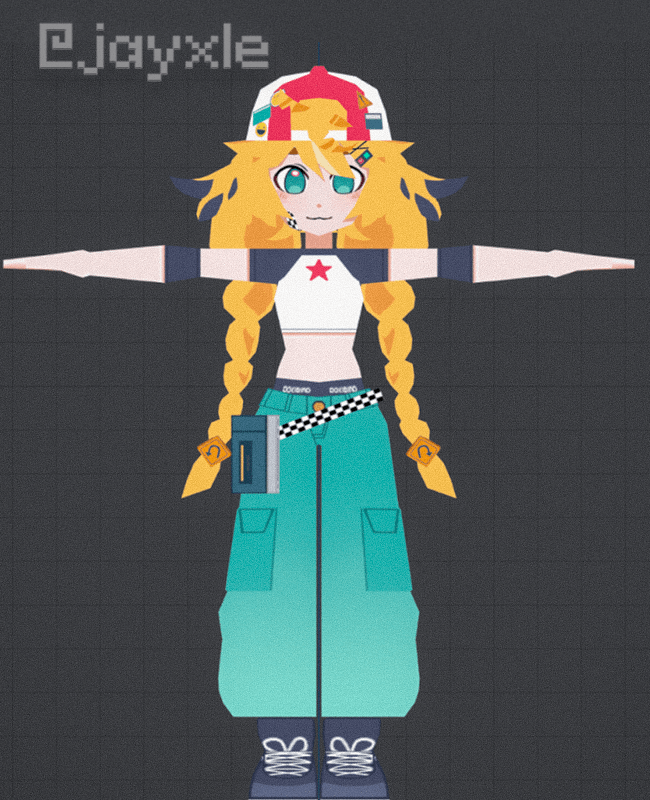
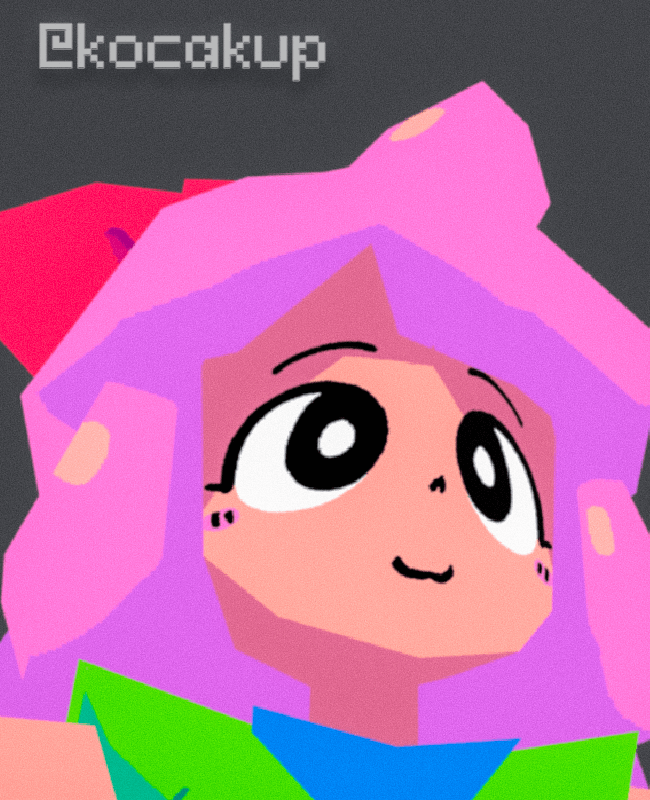
And I think that’s part of what makes low-poly such a wonderful way to learn 3D! It teaches you to focus on shape, silhouette, and clarity without overwhelming you with tiny details right away.
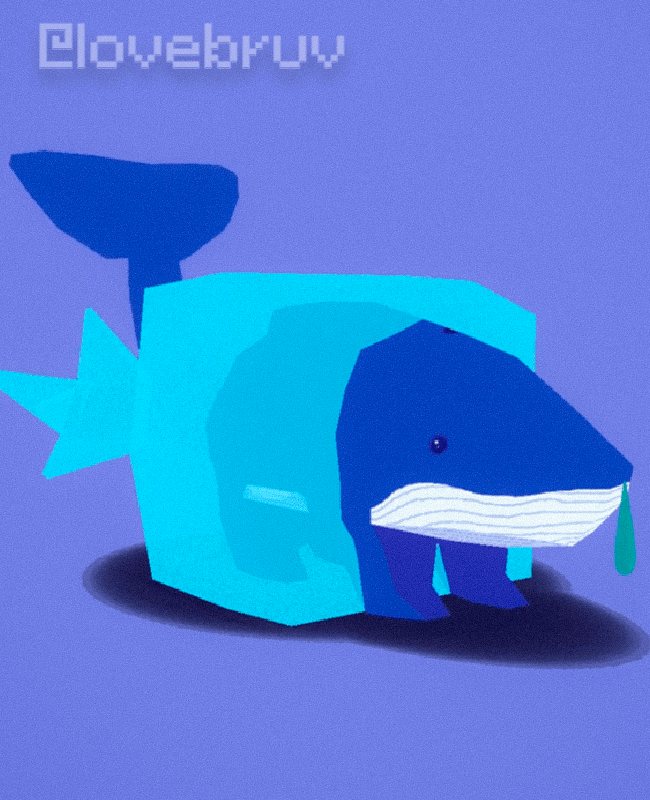
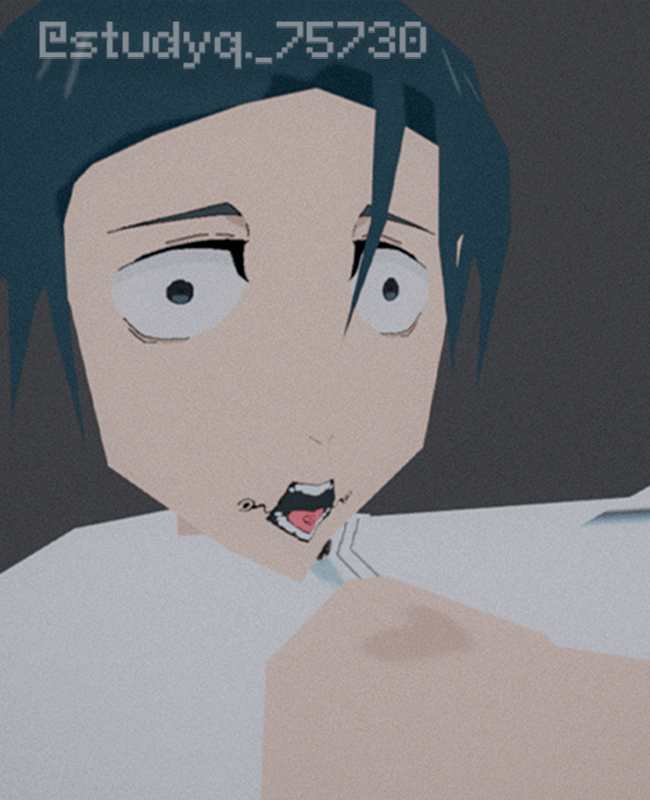
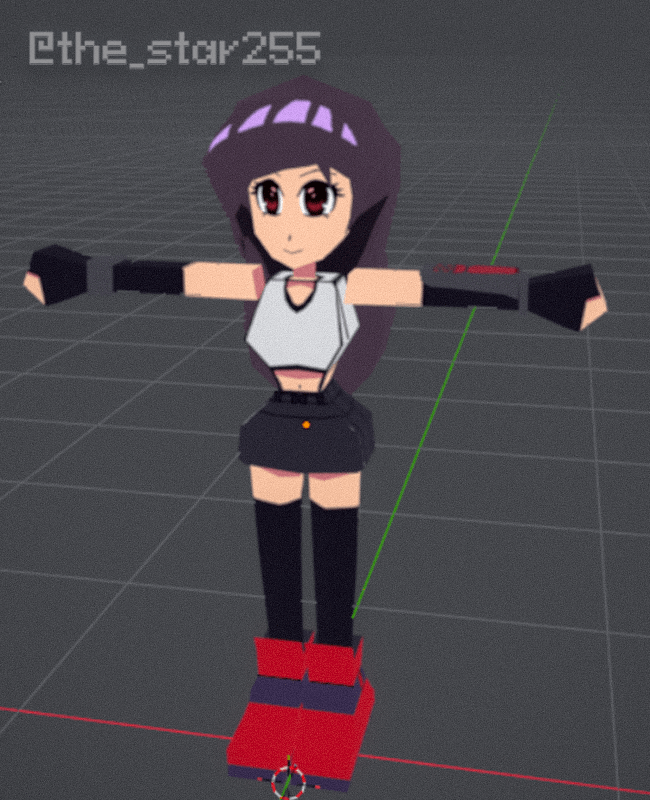
That’s also why I built my Low Poly Character course around this approach.
It’s made to take you from zero to your own rigged and animated character, step by step - no drawing skills needed, and your first character can be finished in just a couple of hours.
At this point, almost 5,000 students have attempted modeling a character like this with my guidance, most people with close to 0 past experience in modeling, animation or even drawing.
You can check it out here: crashsune.com/low-poly-course
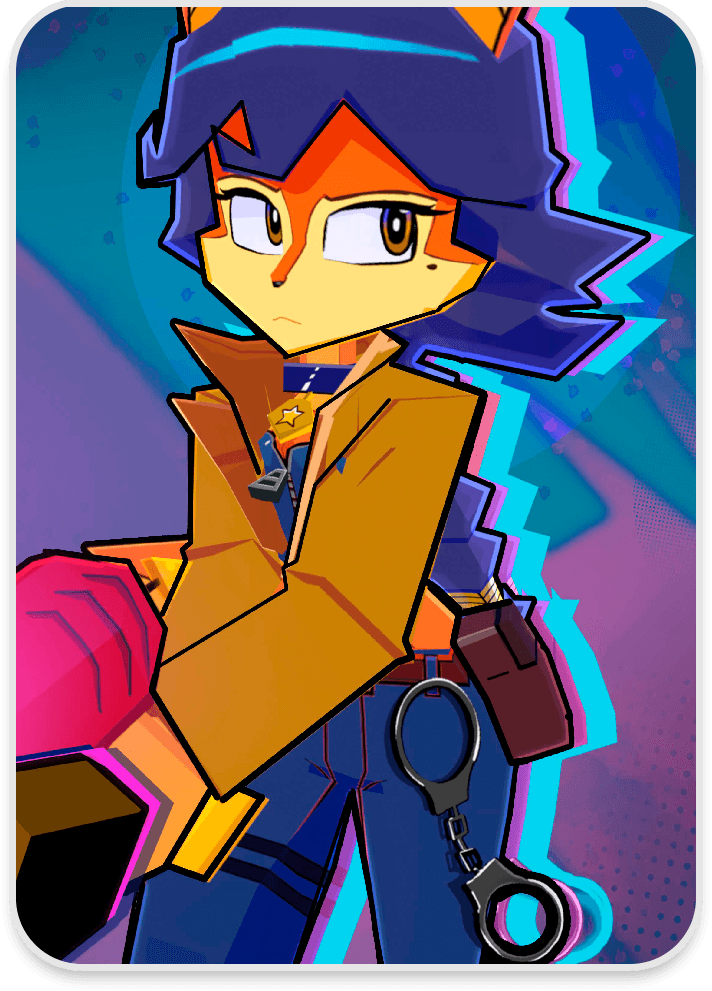
As a thank you for reading this, I’ve included a Free Bonus!
My full low poly Carmelita turnaround so you can try making one yourself! ✨
Privacy policy | Terms of use | Cookies